
Why Are These 5 Practices Part of Ayahuasca Preparation?
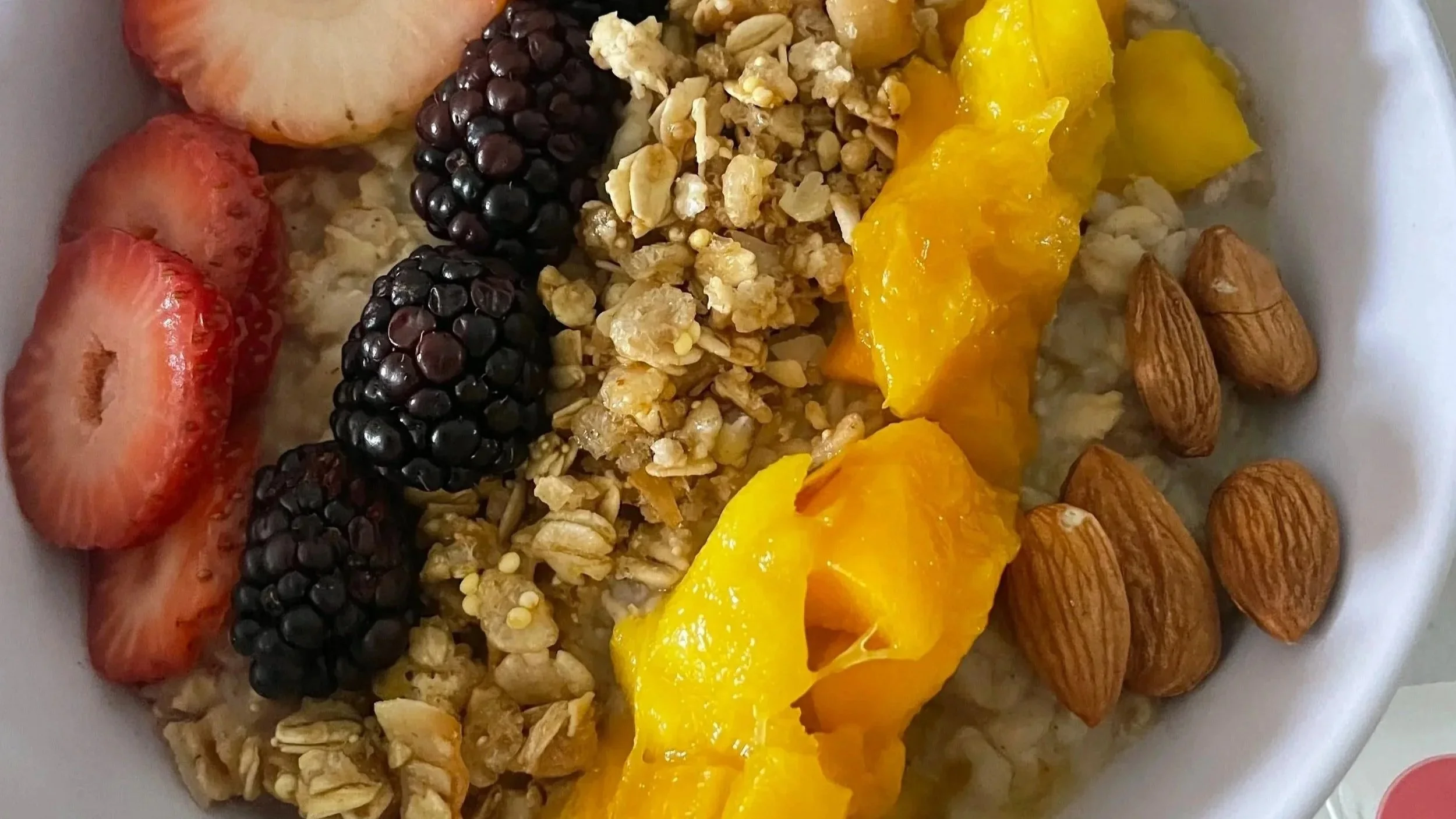
Before an Ayahuasca retreat, participants are often given a list of foods, substances, and behaviors to avoid.
Some call this list a ‘dieta’.
But traditional Amazonian dieta is much more than a short preparation guide.
In Peruvian-Amazonian medicine, dieta may involve extended periods of seclusion, dietary and behavioral restrictions, close guidance, and the ingestion of a particular teacher plant. It is a complete traditional practice, not simply a list of prohibited foods before drinking Ayahuasca. Researchers who have studied dieta describe it as a complex intervention affecting the body, mind, spirit, and relationship between the participant, the plants, and the healer guiding the process.
At Agape, we do not claim to carry a traditional plant dieta to prepare for our Ayahuasca retreats.
We provide Ayahuasca preparation guidelines shaped by three considerations:
What is known about the sacrament’s pharmacology and safety
What traditional practices teach us about discipline and receptivity
What helps a participant arrive physically, emotionally, and spiritually prepared
Some guidelines have a direct scientific basis.
Others come primarily from traditional knowledge.
Many belong somewhere between the two.
Understanding why they are included can help preparation feel less like obedience to a list of rules and more like a conscious act of care.
1. Reviewing Medications and Supplements
This is the most important part of Ayahuasca preparation.
Traditional dieta is not ordinarily self-directed. Restrictions and plant combinations are chosen and overseen by someone who understands the practice and the condition of the person entering it. The importance of proper guidance and safety measures is repeatedly emphasized in research examining traditional Peruvian-Amazonian dieta.
Modern pharmacology gives us an additional reason for careful screening.
Ayahuasca generally combines a plant containing DMT with the vine Banisteriopsis caapi. Alkaloids in the vine, including harmine and harmaline, temporarily inhibit monoamine oxidase A, commonly called MAO-A. This prevents the rapid breakdown of DMT and allows it to become orally active.
Because MAO-A also participates in the metabolism of serotonin, tyramine, and other compounds, Ayahuasca may interact with certain:
Prescription medications
Antidepressants
Stimulants
Over-the-counter medications
Herbal products
Recreational substances
Supplements
The complete interaction profile has not been fully established. Reviews nevertheless identify plausible risks when Ayahuasca is combined with certain serotonergic or MAO-inhibiting medications, and they emphasize the need for screening and further research.
This is why complete disclosure matters.
It is not a judgment of someone’s medical history.
It is part of responsible care.
Agape does not prescribe medication changes or instruct participants to discontinue medication. Anyone taking a prescription should speak honestly with the prescribing clinician about their desire to participate and whether the body can be prepared safely.
A retreat should never begin with someone hiding medication use because they are afraid of being denied.
Safety requires truth.
2. Avoiding Alcohol and Other Psychoactive Substances
Traditional dieta often includes separation from ordinary habits and substances.
This is not only about chemical interaction. It is about creating a period of clarity, discipline, and focused relationship with the process. Researchers describe traditional dieta as involving social, behavioral, and dietary restrictions together, rather than treating food as the only meaningful part of preparation.
There is also a practical scientific reason to avoid alcohol and other psychoactive substances before ceremony.
Ayahuasca affects perception, cognition, emotion, serotonin signaling, blood pressure, heart rate, and the nervous system. Adding another psychoactive substance can make the experience and its risks more difficult to predict. The pharmacological interactions among Ayahuasca’s own compounds are still not completely understood, much less every possible combination with alcohol, cannabis, stimulants, or other drugs.
Abstinence also gives the participant and facilitators a clearer baseline.
When someone arrives after recent alcohol or drug use, it may be harder to distinguish:
Withdrawal
Intoxication
Anxiety
Sleep deprivation
Medication effects
Emotional distress
The effects of the sacrament itself
For Agape, this is not about declaring a person impure.
It is about arriving with as little unnecessary interference as possible.
Preparation asks us to notice what we habitually reach for and whether we are willing to sit without it for a time.
Read “Preparing for Ayahuasca After Years of Alcohol Use” to learn more.
3. Eating Simply Before Ceremony
Traditional dietas commonly reduce food variety and emphasize simple preparation. Depending on the lineage and purpose, they may restrict salt, sugar, oil, spice, alcohol, certain meats, and other foods.
Not every traditional restriction has been scientifically tested, and it would be misleading to claim otherwise.
Science does, however, offer a practical reason for eating more simply before Ayahuasca.
Nausea, gastrointestinal discomfort, and vomiting are among the most commonly reported acute physical effects. Most reported effects are temporary, but the digestive burden is real.
A body already working through:
A heavy meal
Excessive fat
Large portions
Alcohol
Highly processed foods
Poor hydration
may enter ceremony with more physical discomfort than necessary.
Simple preparation does not mean starvation.
It may mean choosing meals that are fresh, moderate, familiar, and easier for the body to process.
At Agape, we do not teach that rich food contains spiritual impurities or that certain foods automatically “block the medicine.”
The more honest explanation is simpler:
We are trying not to burden the body before asking a great deal of it.
Simple food may also bring greater awareness to appetite, routine, comfort, and craving.
The preparation begins before the retreat because attention begins before the retreat.
4. Fasting Before the Sacramental Offering
Fasting and near-fasting appear in traditional dieta practices, often alongside seclusion and other forms of restraint. Traditionally, these conditions may be understood as supporting receptivity, discipline, purification, or relationship with the plants being dieted.
From a practical standpoint, a limited fast reduces the amount of food in the stomach before an experience commonly associated with nausea and vomiting.
That does not mean fasting guarantees comfort.
It does not mean vomiting is required.
It does not mean the body should be trained to purge.
And it does not mean longer fasting is always better.
There is limited direct research comparing different pre-Ayahuasca fasting schedules. The rationale is largely based on traditional practice, ordinary digestive physiology, and the known frequency of gastrointestinal effects.
Fasting must also be individualized.
It may require modification for people with:
Diabetes or blood-sugar concerns
A history of disordered eating
Pregnancy
Certain gastrointestinal conditions
Medication that must be taken with food
Other health circumstances affecting nutrition or hydration
A preparation guideline should never be followed blindly when it conflicts with legitimate medical needs.
At Agape, fasting is not punishment.
It is not a test of devotion.
It is a temporary clearing of space before prayer.
5. Reducing Stimulation and Creating Space
Traditional dieta is not merely nutritional.
It may include isolation, sexual restraint, reduced social contact, limited activity, and separation from the noise of ordinary life. These conditions are traditionally understood as helping the person become more attentive and receptive to the plant, the teachings, and the guidance of the healer.
Modern psychedelic research uses the language of set and setting.
Set refers to what a person brings internally, including preparation, expectations, intentions, mood, and personal history.
Setting includes the physical surroundings, the people present, the cultural framework, and the support available before, during, and after the experience. Research recognizes these contextual factors as meaningful influences on how altered states are experienced, even though their exact contributions are difficult to isolate scientifically.
This gives us a reasonable bridge between traditional wisdom and contemporary understanding.
Reducing stimulation before retreat may include:
Limiting distressing media
Avoiding unnecessary conflict
Spending less time on social media
Resting adequately
Creating time for prayer
Listening to the music that may be offered
Clarifying an intention
Covering responsibilities at home
Letting a trusted person know where you will be
Arriving without unfinished logistical emergencies
None of these guarantees a particular ceremony.
They simply reduce avoidable noise.
The objective is not to create the perfect mindset.
It is to become aware of the mindset you are bringing.
What About Tyramine-Rich Foods?
Many Ayahuasca preparation lists warn against aged cheese, cured meat, fermented products, soy sauce, yeast extracts, and other foods associated with tyramine.
The concern comes from the interaction between tyramine and monoamine oxidase inhibition. Pharmaceutical MAO inhibitors can reduce the body’s ability to metabolize tyramine, potentially causing a dangerous rise in blood pressure.
But an important distinction is often left out.
The harmala alkaloids in Ayahuasca act as reversible MAO-A inhibitors. Reversible inhibitors do not necessarily produce the same degree of tyramine sensitivity as older irreversible pharmaceutical MAO inhibitors. Research on pharmaceutical reversible inhibitors has found a substantially weaker tyramine response than with classic irreversible MAOIs.
Ayahuasca-specific safety reviews still describe tyramine interaction as a theoretical or potential concern, while acknowledging that the available evidence is incomplete.
For that reason, avoiding heavily aged, fermented, cured, or spoiled foods remains a reasonable precaution.
But it should not be presented as though every trace of tyramine is certain to cause a medical emergency.
Preparation should be careful without becoming exaggerated.
Tradition and Science Do Not Always Speak the Same Language
Traditional knowledge and scientific research ask different kinds of questions.
Science often asks:
What compound is active?
What mechanism can be measured?
What adverse events have been reported?
What can be repeated under controlled conditions?
Traditional practice may also ask:
What relationship is being formed?
What discipline is required?
What is the person becoming receptive to?
What conditions allow the plant to teach?
What responsibility does the healer carry?
Neither language should be dishonestly translated into the other.
Science does not currently prove every spiritual teaching associated with dieta.
Traditional practice does not need to be reduced to pharmacology in order to have meaning.
At the same time, tradition should not be used to make medical claims that evidence does not support.
We can honor both by being precise.
Some preparation practices reduce known or plausible risks.
Some support physical comfort.
Some create psychological and spiritual space.
Some are inherited from traditions whose full meaning cannot be captured by a modern checklist.
Often, a single practice serves more than one purpose.
Preparation Is Not a Test of Perfection
Participants sometimes become anxious about making a mistake.
They worry that one ingredient, one difficult conversation, one restless night, or one imperfect day will ruin the ceremony.
That is not how we understand preparation.
Preparation is not about earning a good experience.
It is not a performance of purity.
It does not give us control over what the sacrament will reveal.
Preparation is a way of saying:
I understand that this matters.
I am willing to care for my body.
I am willing to tell the truth.
I am willing to reduce what may interfere.
I am willing to make room for prayer.
The objective is reverence, not perfection.
Grace has room for the person who arrives sincerely.
How Agape Approaches Ayahuasca Preparation
Agape’s preparation process includes health screening, medication disclosure, substance restrictions, dietary guidance, fasting instructions, spiritual reflection, and practical preparation for time away from home.
These guidelines may vary according to the participant’s circumstances and the specific offering.
They are not intended to replace medical guidance.
They are not a traditional Amazonian plant dieta.
They are part of our responsibility to prepare participants for a sacramental gathering held through prayer, live medicine music, sacred silence, integration, and community support.
We ask participants to approach the guidelines honestly.
Ask questions when something is unclear.
Disclose what may matter.
Speak with your physician when medical guidance is needed.
And remember that the preparation itself is already part of the prayer.
Continue Preparing With Agape
A retreat begins long before the first sacramental offering.
Learn more about the practical, spiritual, and relational preparation we ask of participants before gathering with us.